Checklist: How to Evaluate a Cobalt Mining Junior Before You Invest
October 09, 2026 - Market


October 08, 2026 - Market

September 30, 2026 - Uses

September 28, 2026 - Uses
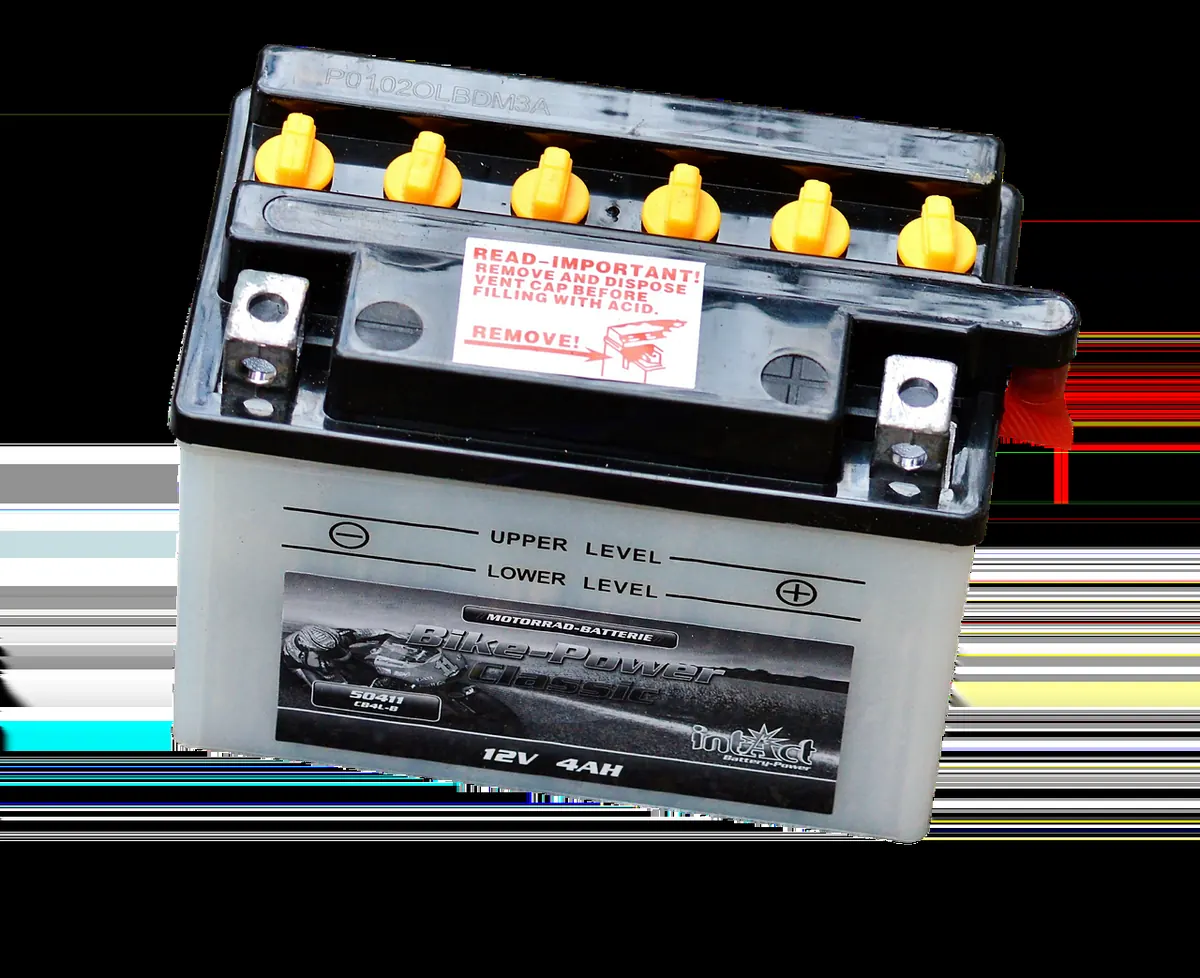
There is a decent chance you have a small stash of dead lithium-ion batteries somewhere: a phone that gave up, a laptop pack that swelled, a drill battery that no longer holds a charge. Most of them contain cobalt, and almost none of them belong in your bin. In the UK there are more drop-off points for spent batteries than most people realise, and using one takes about as long as a trip to the supermarket. What follows is how to do it properly, from working out what you have to understanding where the cobalt ends up.
Cobalt sits in the cathode of several common lithium-ion chemistries. Lithium cobalt oxide (LCO) turns up in phones, tablets and some laptops. NMC and NCA blends dominate power tools, e-bike packs, electric vehicle batteries and many modern laptops. If a cell is labelled "Li-ion", "Li-ion polymer", or carries a chemistry code such as NMC, NCA or LCO, there is cobalt in it worth recovering.
Two exceptions are worth knowing. Lithium iron phosphate cells (marked LiFePO4 or LFP) contain no cobalt at all — they should still be recycled, just not for cobalt. Lead-acid car batteries and nickel-cadmium tool packs follow entirely different routes: garages and many council sites take lead-acid, while NiCd packs belong at a hazardous waste or electricals point rather than a shop battery bin.
You have more options than you think. Most are free, and none of them require an appointment.
These are the ones that cause trouble. Do not charge them, do not puncture them, and do not try to squeeze one back into a device. Move it away from anything flammable — ideally outside, in a metal container with a lid, well away from the house. If a pack is hissing, smoking or getting hot, keep away from it and call 999.
For a swollen but stable pack, ring your council first. Many recycling centres accept damaged batteries in a hazardous waste bay; some will not take loose damaged cells, and a few offer a booked collection. Retailers may reasonably refuse visibly damaged batteries, though they can often advise on a local alternative. What you must not do is put it in a household bin, a kerbside recycling box, or a shop battery bin. One damaged pack can set a collection lorry alight, and those fires are a real problem for waste crews.
Your battery first goes to a sorting site, where chemistries and formats are separated and non-battery items are pulled out. From there it goes to a specialist recycler, where one of two routes is usually taken.
In smelting, whole batteries are fed into a furnace and the cobalt, nickel and copper are recovered together as an alloy. In hydrometallurgical processing, batteries are shredded and processed into what the industry calls black mass, then leached with acid and separated into individual chemicals — cobalt sulphate, nickel sulphate, lithium carbonate.
Those chemicals are the point of the exercise. Battery makers need cobalt at high purity for new cathodes, so recovered material normally goes through further refining before it is usable. Much of the lithium-ion material collected in the UK is processed at specialist plants here or shipped to established facilities in Europe. Recycling recovers the metals, not the original battery — a new cell is built from refined chemicals, which is why clean sorting at your end matters more than it sounds.
Keep a small lidded tub where you store tools or charging cables. Tape each cell as it dies and drop it in, then empty the tub at the supermarket or recycling centre once a month. It takes five minutes and keeps the fire risk out of your bin lorry.
If you run a business — a shop, workshop or office — the rules are stricter: waste batteries are covered by your duty of care, and if you sell portable batteries you may have take-back obligations of your own. Check with your compliance scheme or the Environment Agency rather than guessing, and take professional advice if your volumes are significant.
Photo: Ralphs_Fotos / Pixabay

A practical due-diligence checklist for cobalt juniors: jurisdiction, management track record, cash runway and...
Cobalt prices move on more than battery demand. Here is how DRC supply, Chinese refining capacity, policy and...
October 08, 2026 - Market
September 30, 2026 - Uses
Copyright © 2026 Cobalt Guide. All Right Reserved.