Checklist: How to Evaluate a Cobalt Mining Junior Before You Invest
October 09, 2026 - Market


October 08, 2026 - Market
September 30, 2026 - Uses

September 28, 2026 - Uses
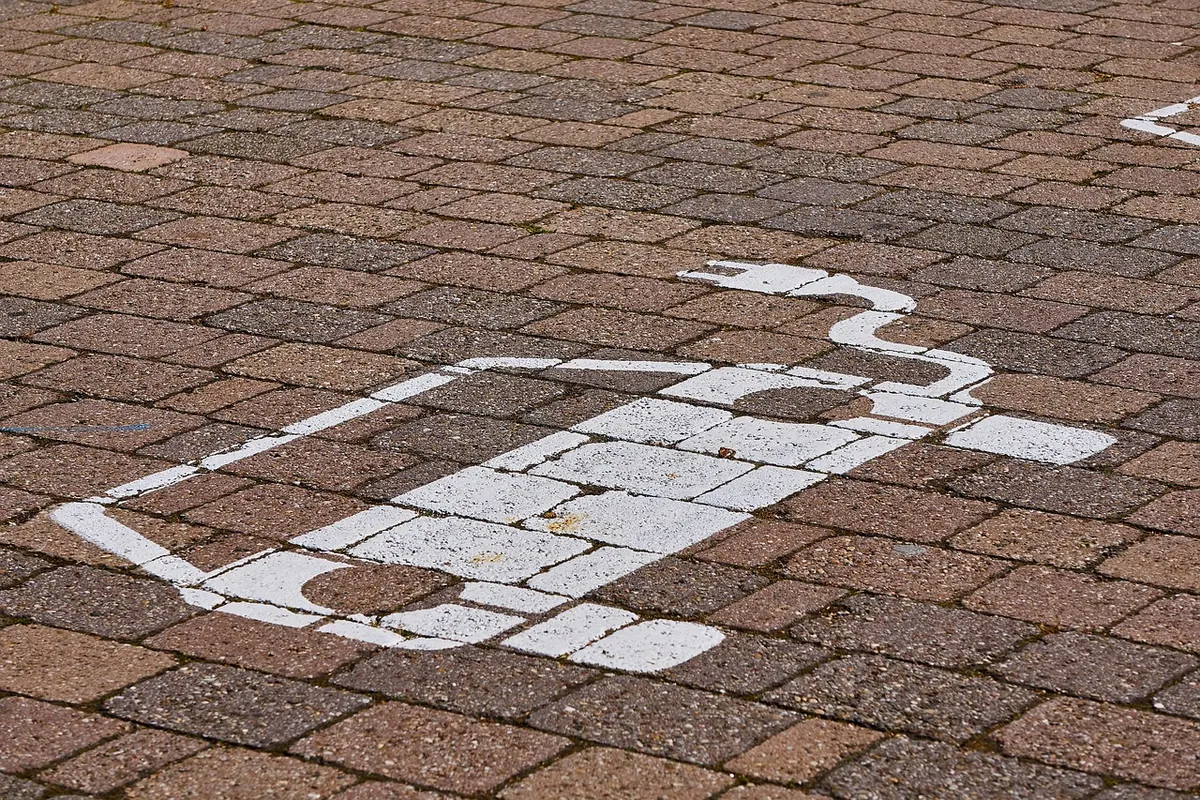
Every winter, thousands of drivers notice the same thing: the car that comfortably covered 240 miles in September now seems to be counting down much faster. Nothing is broken. Cold slows down the chemistry inside the battery, and cobalt-containing lithium-ion cells are no exception. The good news is that most of the loss is temporary, and a surprising amount of it can be clawed back with a few habits built around how the pack likes to be treated when the temperature drops.
Lithium-ion cells work by shuttling lithium ions between a negative electrode, usually graphite, and a positive electrode made from a metal oxide. In many packs that positive electrode contains cobalt, often blended with nickel and manganese or aluminium to balance energy density, stability and cost. Cobalt helps the cathode hold a high voltage and stay structurally stable across thousands of charge cycles, which is why it has been so hard to design out entirely.
Cold interferes with that process in two ways. First, the electrolyte becomes more viscous, so ions move more slowly and the cell's internal resistance rises. Second, the chemical reactions at the electrodes themselves slow down. The result is a battery that delivers less usable energy and objects to being charged quickly.
On top of the electrochemistry, you are also heating a cabin. Resistive heaters, heated seats and a cold windscreen all draw power, and on short winter journeys the battery never gets warm enough to work efficiently. Add denser cold air, wet roads and winter tyres, and a 20 to 30 per cent drop in real-world range is common on a cold day. That is not a fault; it is physics plus a few hundred watts of comfort.
Most of the winter frustration comes from charging at the wrong moment. A cold pack accepts power slowly, so a rapid charger that delivers well in summer may trickle along at a fraction of its usual rate. The fix is usually to arrive with a warm battery rather than a cold one.
If you rely on public rapid charging, plan winter stops around a warm pack and be generous with your time. A ten-minute top-up in July can become a twenty-five-minute wait in January. Charging curves matter more than peak figures when the thermometer reads near zero.
This is the easiest win available. Set a departure time or start climate control from your phone while the car is still connected to the mains. The cabin, seats and steering wheel warm up using grid power rather than stored energy, so you leave with a full pack and a comfortable car. Do it for ten to fifteen minutes rather than half an hour; beyond that you are mostly heating the street.
Some cars separate cabin preheating from battery pre-conditioning, and the second is what really affects range and charging speed. If your model offers it, use it before a long drive or a rapid charging stop. If it does not, a gentle first few miles of steady driving will warm the pack gradually. Hard acceleration from cold does more to drain the battery than to heat it usefully.
How you drive in the cold matters as much as how you charge, and the changes are small enough to become automatic.
Regenerative braking also feels different in the cold. Many cars limit regeneration when the pack is cold, and some reduce it further when the battery is nearly full, so the car may coast more than you expect. Treat the first few miles as a warm-up for both of you, and use the friction brakes gently to keep discs clear of surface rust.
Accept that the number on your dashboard will be pessimistic in January and plan journeys with a margin. Charge earlier than you think you need to, keep a little more buffer between stops, and don't treat a winter range estimate as a promise. If you routinely drive 200 miles a day in a car that manages 250 in summer, the cold months will feel tighter, and that is normal.
Also worth knowing: repeated cold exposure does not permanently damage a healthy pack, provided you avoid charging a frozen battery at high power. The capacity you lose in winter comes back as the weather warms. What does accelerate wear is leaving a pack at very low charge in freezing conditions for weeks, so plug in when you get home even if you only need a small top-up.
Run through this once before the first cold snap and again in mid-January:
Cold weather will always cost you some range, and cobalt-based chemistries are not immune to that. But the drivers who cope best in winter are rarely the ones with the biggest batteries. They are the ones who charge warm, preheat on mains power, drive gently for the first few miles and leave a sensible margin in their plans. Do those things and winter stops being a problem to solve and becomes just another season to drive through.
Photo: distelAPPArath / Pixabay

A practical due-diligence checklist for cobalt juniors: jurisdiction, management track record, cash runway and...
Cobalt prices move on more than battery demand. Here is how DRC supply, Chinese refining capacity, policy and...
October 08, 2026 - Market
September 30, 2026 - Uses
Copyright © 2026 Cobalt Guide. All Right Reserved.