Checklist: How to Evaluate a Cobalt Mining Junior Before You Invest
October 09, 2026 - Market


October 08, 2026 - Market

September 30, 2026 - Uses

September 28, 2026 - Uses
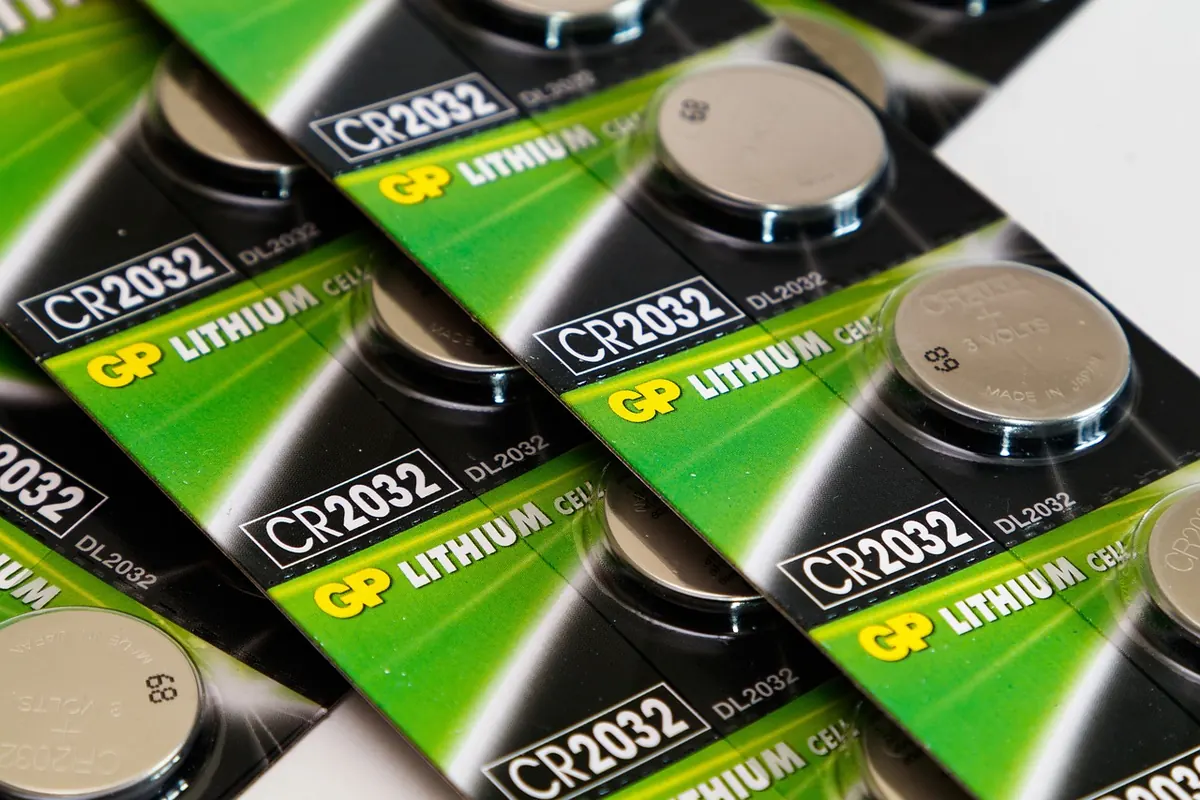
Two battery packs, similar labels, very different behaviour. One is lighter and squeezes more energy into the space you have; the other will probably outlast the equipment it powers and often costs less per kilowatt-hour. The choice between cobalt-based cells — the nickel manganese cobalt (NMC) and nickel cobalt aluminium (NCA) families — and lithium iron phosphate (LFP) comes down to what your project actually needs, not to which chemistry is somehow "better".
Here is how they compare on the four things that decide most builds: energy density, cost, safety and lifespan, plus a few notes on cold weather and charging that catch people out.
Cobalt-based cells use a layered cathode containing nickel and cobalt. LFP replaces both with iron and phosphate. Cobalt does a specific job in that structure: it helps hold the crystal lattice together, which lets the cell store more lithium — and therefore more energy per kilogram — without falling apart.
Iron phosphate is a tougher, more stable arrangement, but it holds less. That single trade-off ripples through everything else, from pack weight to how the cell behaves when something goes wrong.
This is where cobalt chemistries win clearly. Good NMC cells commonly land somewhere in the 150–250 Wh per kilogram range, while LFP cells are typically quoted around 90–140 Wh/kg, with newer designs pushing higher. Datasheets vary a lot between manufacturers and formats, so compare like with like: cell-level figures flatter a chemistry that a finished pack, with its casing and management electronics, will not match.
Volume matters as much as weight. An LFP pack of the same capacity is usually bulkier, which matters if you are fitting it into a battery box under a campervan seat or inside a handlebar-mounted enclosure.
In practice: if you are building an e-bike, a drone, a portable power tool pack or anything you carry, the lighter chemistry usually justifies its price. If the pack sits on a concrete floor and never moves, its weight is close to irrelevant.
LFP is generally cheaper per kilowatt-hour, for a simple reason — it contains no cobalt and no nickel. Cobalt is expensive and its supply is concentrated: a large share of world production comes from the Democratic Republic of the Congo, where artisanal mining has well-documented labour and environmental problems. That concentration makes cobalt pricing volatile, and it is a supply-chain risk many buyers would rather avoid.
But the sticker price is only half the story. Divide what you pay by the number of cycles you expect and the gap often widens further in LFP's favour, because you are buying more cycles per pound spent. The counter-argument is space and weight: if a cobalt pack lets you carry the energy you need with no redesign, the "cheaper" LFP option may not be cheaper once you account for the extra structure to hold it.
Both are lithium-ion cells and both can fail badly if abused, but they fail differently. LFP has a notably higher thermal runaway threshold and generally tolerates overcharging, short circuits and physical damage better. Its cathode does not readily release oxygen when hot, which matters because oxygen released inside a cell can feed its own fire.
Cobalt-based cathodes begin breaking down at lower temperatures and can supply oxygen to a developing fire, which is why a runaway NMC cell is harder to stop. That does not make NMC packs unsafe by default — millions are in daily use — but it does mean the supporting electronics matter more.
Whatever you choose, these points are non-negotiable:
LFP is the long-life option. Quality cells are often quoted at 3,000–5,000 full cycles before falling to roughly 80% of original capacity, and many will keep working usefully well beyond that. Cobalt-based cells typically come in around 1,000–2,000 cycles to the same marker, though this varies enormously with how hard they are pushed.
Two habits matter more than the chemistry you pick. First, avoid sitting at the extremes: shallow daily cycling between roughly 20% and 80% is gentler than running to full and empty every time. Second, store packs at partial charge — around 40–60% — in a cool, dry place. Leaving any lithium pack at 100% in a hot shed for a year will cost you capacity you cannot get back.
LFP has a famously flat discharge curve, sitting near the same voltage for most of its range. That makes state of charge hard to estimate, and it is why some shunts and gauges that work well with cobalt chemistries read oddly on an LFP bank. A BMS with proper coulomb counting solves this; a voltage-based percentage readout rarely does.
Cold is the other gotcha. Most manufacturers specify no charging below 0 °C for LFP, and only gentle charging below freezing for cobalt chemistries, because charging a cold cell can plate lithium onto the anode and permanently reduce capacity. Discharging in the cold is fine for both, though you will get less usable capacity — and if you plan to charge in a cold garage or an unheated boat, budget for a self-heated pack or a warmer location.
Work through these questions in order and the decision usually makes itself:
Typical fits: van and boat house banks, home solar storage, garden-office backup and off-grid cabins → LFP. E-bikes, power tools, model aircraft, portable instruments and anything weight-critical → cobalt-based. Campervans sit in the middle, and most builders choose LFP for the cycle life unless space is genuinely tight. If you are buying cells or a pack, insist on a full datasheet with cycle life, continuous discharge current and temperature limits, and be wary of sellers who list capacity and nothing else.
Finally, treat the electrical work with respect. If your installation connects to mains power, to a vehicle's charging system or to a boat's electrical system, have the design and the wiring checked by a qualified electrician or marine engineer, and tell your insurer what you have fitted. A well-matched chemistry with the right BMS is a reliable, long-lived system. The same cells with the wrong charger and a two-quid fuse holder are a fire waiting for an excuse.
Photo: Alexei_other / Pixabay

A practical due-diligence checklist for cobalt juniors: jurisdiction, management track record, cash runway and...
Cobalt prices move on more than battery demand. Here is how DRC supply, Chinese refining capacity, policy and...
October 08, 2026 - Market
September 30, 2026 - Uses
Copyright © 2026 Cobalt Guide. All Right Reserved.